
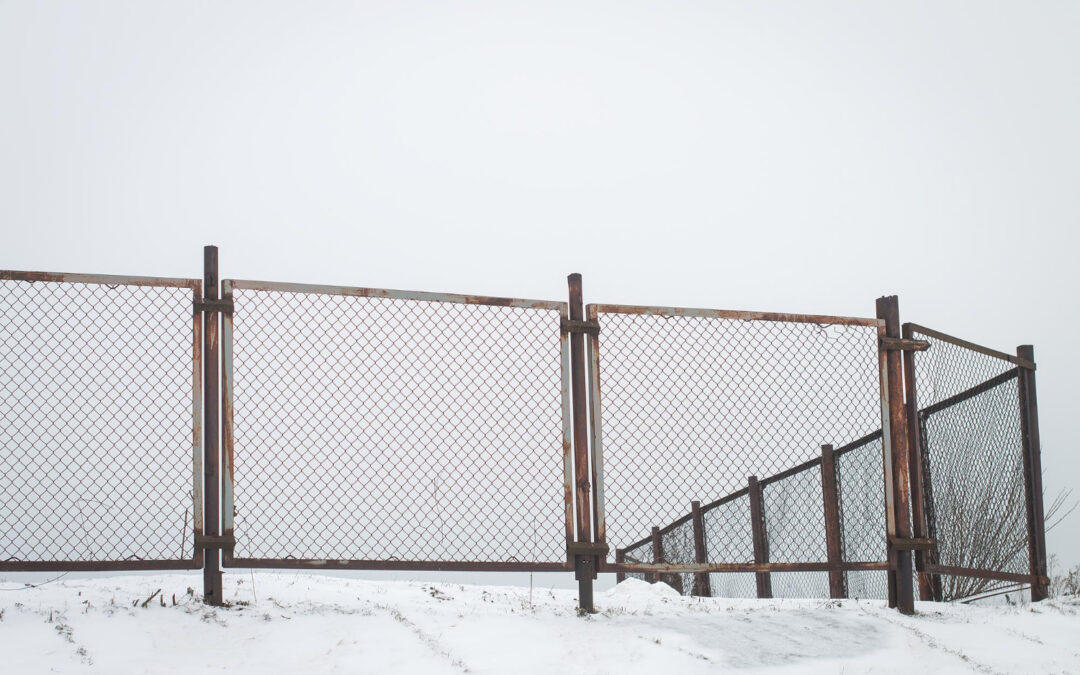
September storms in Overland Park and Johnson County can leave behind more than just puddles. Wind, heavy rain, and flying debris can do a real number on fences. A fence that stood tall all summer can suddenly look bent, broken, or completely out of line. Storms have a way of shaking things loose, especially if the fence is older or hasn’t had recent maintenance.
A damaged fence doesn’t just affect how your yard looks. It can weaken security, decrease privacy, and lead to bigger problems if repairs are delayed. A loose post or cracked board can worsen with each storm, creating more work and cost down the road. Tackling the damage early helps protect your property from further trouble and keeps things looking neat and secure.
Assessing The Damage
Once the storm passes and things dry out, it’s time to walk the fence line and see what needs fixing. Some problems are pretty easy to spot. Others need a closer look. Signs of damage can vary depending on the material and the type of storm, but there are a few key things to check.
– Look for boards or panels that are cracked, split, bowed, or missing.
– Check all screws, nails, and brackets to see if anything came loose.
– Gently push on each fence post to find any that lean or wobble.
– Inspect where the post meets the ground to look for rot, soft spots, or shifting.
– Watch for gaps where panels are starting to pull away from their posts.
A common issue after a heavy thunderstorm is a panel that still hangs but is supported by a tilted or misaligned post. At first, it might not look serious, but that minor shift can loosen brackets and weaken the whole structure. Fixing these small problems early can stop bigger headaches later.
Replacing Damaged Panels
If one or more fence panels took a big hit and can’t be salvaged, replacing them correctly will help the rest of the structure stay sturdy. Careful panel replacement helps you avoid future sagging, uneven lines, or loosened fasteners.
Before starting, gather what you’ll need:
– Cordless drill or screwdriver
– Hammer or pry bar
– Replacement fence panels (wood or vinyl to match existing ones)
– Screws or nails
– Level
– Safety gloves
Here’s the process most jobs follow:
1. Remove the damaged panel by unscrewing fasteners or gently pulling out nails.
2. Use a pry bar if you need to loosen a wedged panel.
3. Look at the hardware and brackets to make sure they aren’t bent or broken.
4. Set the new panel into place, checking that it lines up with nearby sections.
5. Use your level before securing to make sure the panel is straight.
6. Secure the panel with screws or nails at all connection points.
If the damage is limited to the panel and the supporting posts are solid, this type of fix can be pretty quick. Matching the material, style, and size helps the section blend in and look just like before. Taking your time to line everything up will help keep your entire fence strong and presentable.
Repairing Fence Posts
Fence panels rely on solid posts. If a post is leaning, broken, or weak, the rest of the fence can shift or even collapse. After a storm, damage to posts can happen from uprooted soil, wind pressure, or direct impact from debris or tree limbs. If not addressed quickly, one bad post can create a chain of issues across other sections.
Start by figuring out if the post can be reset or needs to be replaced. A post that simply shifted might just need to be straightened and reinforced. But posts that are cracked, rotted, or loose in the soil usually need full replacement to avoid future failure.
Here are the typical steps for replacing a fence post:
1. Carefully remove the panels attached to the damaged post.
2. Dig around the base to loosen the post and remove any existing concrete.
3. Take out the old post, including any broken concrete or debris in the hole.
4. Place a new pressure-treated wood or vinyl post into the hole.
5. Use a level and adjust as needed before setting the post permanently.
6. Fill with quick-set concrete or tightly packed gravel to anchor the post.
7. Once secure, reattach the panels, making sure all brackets line up well.
A properly set post will stay straight and firm under pressure. Using a level while positioning it helps avoid uneven fences. Reinforcing the base and making sure fasteners are tight gives the entire fence a better shot at holding up once the wind starts blowing again.
Preventive Measures For Future Storms
Storm repairs can be frustrating. But once your fence is back up and looking good, it’s smart to take a few extra steps that could save you from the same trouble next season. In Overland Park and Johnson County, stormy weather is bound to happen again. A few upgrades and some routine checks can go a long way.
To give your fence a better shot at surviving the next round of storms:
– Switch to galvanized screws, which don’t rust and hold stronger than regular nails.
– Use water-sealant on wood fences once a year to slow down rot and moisture damage.
– Keep plants, grass, and soil away from the base of posts to stop moisture buildup.
– Cut back branches and shrubs that could crash into the fence during high wind.
– Add extra bracing or brackets where panels and posts connect for added support.
Even a simple walk around your yard after a big storm helps catch things before they get worse. A cracked board or a loose post today may end up as a fully fallen section next week. A regular scan for weak spots keeps repairs easier and less expensive.
Some homeowners also choose different fencing designs to fight high winds. For instance, shorter panel sections with more frequent posts tend to hold up better. Every yard is different, and what works well for one fence might not fit the next. But adding strength where it counts makes a difference during storm season.
Keep Your Fence Strong and Durable
Storm damage is never ideal, but fixing your fence the right way helps protect your home and yard long after the storm passes. By replacing broken panels, reinforcing unsteady posts, and keeping up with basic maintenance, your fence will stay in better shape year-round.
A sturdy fence not only boosts curb appeal, it also improves safety, privacy, and the function of your yard. Whether you’re protecting kids, pets, or just want to keep your space looking neat, a solid fence makes all the difference. Small issues left unchecked can pile up fast. But regular upkeep and timely repairs keep things manageable.
Storms come and go, but smart repairs and preventive care leave your fence ready for whatever comes next. Keeping an eye on trouble spots before they get worse and leaning on skilled help when the job is too big on your own makes a big impact. That way, your fence stays solid, your home keeps its charm, and you can get back to enjoying your space with fewer worries.
Taking on fence repairs can be a lot to handle, especially with unpredictable storms in Overland Park and Johnson County. If you’re looking for professional help to ensure a strong and lasting fix, consider reaching out for our affordable handyman services. Quality Handyman & Home Repair is here to take the stress out of your repairs, offering expertise that keeps your fence—and your property—looking its best. Let the experts handle it so you can rest easy knowing your home is in good hands.