
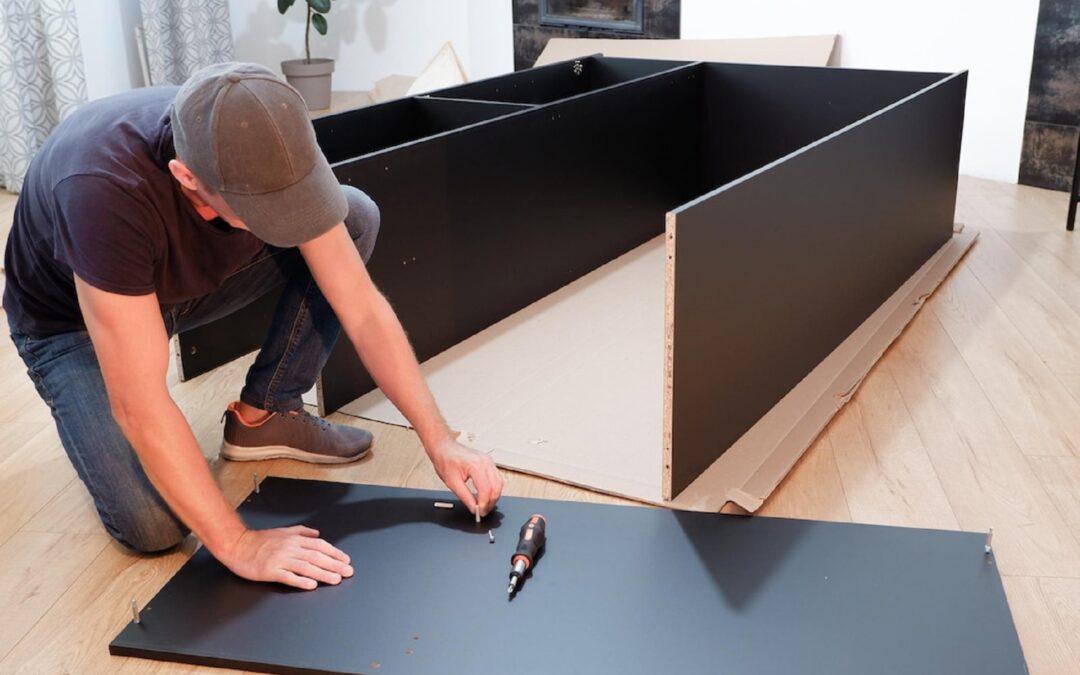
A wobbly dresser or leaning bookshelf might not seem like a big deal at first, but over time, it becomes more than just an annoyance. Wobbles often mean there’s something off with the installation or the surface it sits on. Worse, they can lead to damage or even injury if ignored too long. That’s why getting large furniture installed properly from the start matters a lot more than most people assume.
When you think about what makes a piece of furniture comfortable to use and safe to have around, sturdiness is near the top of the list. Whether it’s a tall cabinet in the hallway or a big entertainment center, stability keeps everything in place. Many wobbles come from skipped steps during assembly or from floors and walls that aren’t quite level. Taking time to do things right with both the structure and the setup makes sure your furniture stands steady for years.
Proper Tools And Materials Make All The Difference
If you’re putting together big pieces of furniture, the tools and hardware you use really matter. Using whatever’s lying around in the toolbox might get the job done sort of, but it can leave furniture loose or weak. Sturdiness starts with having the right tools and high-quality materials.
Here’s a go-to list:
1. Screwdriver set (manual or powered)
2. Power drill
3. Wood screws and brackets
4. Allen wrenches (many flat-pack items include these)
5. Measuring tape
6. Level
7. Stud finder
8. Rubber mallet (for adjusting parts without damage)
Cheap or old screws can strip easily or break under weight. Brackets that bend too easily won’t support a shelf properly over time. It’s smart to use strong, reliable hardware that’s right for the material you’re working with like metal brackets for heavy loads, wood screws for frame connections, and plastic anchors for wall setups.
A level is your best friend during furniture installation. Don’t eyeball it. Measure and check more than once. This helps catch tilts or crooked angles before they cause problems. Proper tools don’t just make things easier. They help make sure everything stays in place when the furniture gets used every day.
Prepping the Spot First Prevents Future Problems
Before picking up a drill, take a few minutes to set up your space. A little prep work goes a long way when installing large furniture.
Start by measuring the area. Double-check the space where the furniture will sit to make sure it fits. Once you’ve confirmed measurements, check the floor surface. In homes around Johnson County, you might run into uneven floors or subtle rises caused by carpet padding or warped wood. Even a slight slant can leave tall furniture swaying or off-balance.
Here are a few things to look out for:
1. Sloping or uneven floors
2. Baseboards or trim that stick out
3. Wall outlets or vents that might get covered or blocked
4. Low ceilings you might not have noticed when measuring height
Clear the area completely of boxes, small furniture, or decor before bringing in anything large. This helps you move pieces in more easily, especially when parts need to be laid out during assembly. If the space isn’t clean or open, small mistakes crop up more easily, like misalignments or bumping a corner against another object.
It’s not unusual for a piece to feel solid during setup but start to wobble a week later. Often, that happens when the space wasn’t leveled or cleared properly before the work began. So preparing the area is just as important as the build itself. You’ll thank yourself when it fits perfectly without leaning or rocking after it’s in place.
Assembly Tips to Improve Stability
When it comes time to put the furniture together, rushing can be one of the biggest reasons for wobbles. Even good-quality pieces can feel shaky if something isn’t tightened all the way or a part gets installed the wrong way. Taking the time to follow directions and double-check parts goes a long way.
Start by laying out all pieces and checking them against the instruction manual. Make sure you’re not missing any hardware or panels. Then walk through the steps one by one. Tighten screws fully but don’t overdo it, especially if you’re working with pressed wood furniture. Over-tightening can strip the holes or split the material.
Use brackets when a piece is taller than it is wide, like bookcases or pantry cabinets. These brackets add another layer of support and keep things stable where it matters. For anything that comes with wood dowels and cam locks, be sure the dowels are straight and fully seated. If a board feels loose, it probably didn’t get a good fit during the assembly.
Instructions might seem too simple or even confusing, but skipping them leads to mistakes. One issue we’ve seen in Johnson County is people leaving out crossbars because it “looked stable enough.” Later, the whole unit shifts with a small bump. Stick to the steps. They’re usually written for a reason and help protect against long-term wobbling and tilting.
Why Wall Anchoring Prevents Tipping Hazards
Once a large piece is standing, it might feel sturdy on its own. But if it’s tall or holds a lot of weight up high, it should be anchored. Securing large furniture to the wall isn’t just about keeping it steady. It matters more for safety especially if you’ve got kids or pets.
There are a few popular ways to anchor furniture:
1. Anti-tip kits with metal brackets and straps that attach to the wall and furniture
2. L-brackets for holding the unit flush to the wall
3. Furniture straps made of nylon or fabric that allow some flexibility but keep things in place
These are easy to hide, so your furniture still looks great. The most important part is making sure anchors go into the wall studs, not just drywall. Drywall anchors may feel strong at first, but they won’t support much over time.
If you’ve got baseboards, you might need to shim behind the furniture or notch the back panels to help everything sit flush. Some people worry about damaging the wall, but proper anchoring only leaves a couple of small holes. It’s worth it for peace of mind and a safer living space.
A Few Simple Steps Make a Big Difference
Large furniture that’s properly set up and supported tends to stay that way. From smooth sliding drawers to sturdy shelves, everything works better when nothing’s rocking back and forth.
To help it stay stable long-term, check your connections now and then. Screws can work loose from daily use, and small gaps can turn into bigger issues if they’re left alone. A quick check with a screwdriver can save a lot of future repair trouble.
Everything starts with the basics: measure carefully, use the right tools and hardware, prep the space, follow the instructions, and don’t forget those wall anchors. Skipping one thing can lead to wobbles, shifting, or worse. But when it’s done right, you get furniture that feels like it belongs exactly where it is.
If you’re in Johnson County and have large furniture to install, now’s the time to take it seriously. What might seem like a small issue today could end up causing wear and tear over time. The right approach now saves stress and repairs down the road. Taking those extra steps from the start will give you solid furniture and a safer home.
Enhancing your home’s stability and safety can make your space feel more secure and comfortable. If you’re in the Johnson County area and want to avoid the hassle of wobbly furniture, check out our reliable handyman services in Johnson County. At Quality Handyman & Home Repair, we make sure every piece is solid from the start so you can enjoy peace of mind every day.