
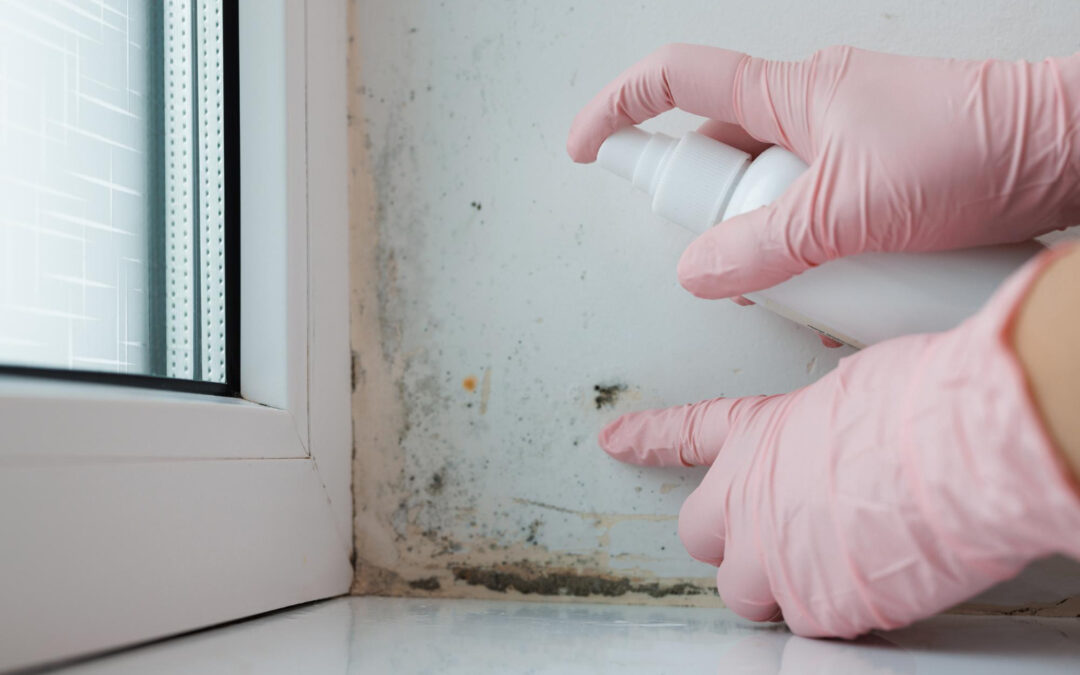
Mildew on outdoor surfaces is a pain to deal with. It doesn’t just make things look old and dirty, it can actually damage the materials if left alone too long. That green or blackish coating isn’t just ugly, it’s a sign that your exterior needs some attention. Once mildew starts to spread, it gets harder to remove and easier for it to settle back in after cleaning.
In Overland Park and the rest of Johnson County, the warm fall weather followed by sudden cold snaps creates the perfect environment for mildew to grow. Add in humidity and shaded areas, and it doesn’t take long before your siding or deck starts looking rough. Tackling mildew early can save you a lot of future work and keep your home looking its best.
Identifying Mildew on Exterior Surfaces
Mildew loves shady, moist spots. It tends to show up on surfaces like vinyl siding, painted wood, decks, concrete patios, and fences. If you’ve got areas around the house that don’t catch much sunlight or that stay damp after rain, there’s a good chance mildew could show up. The key is to catch it early before it sets in too deep.
To tell mildew apart from plain dirt or mold, look closely:
– Mildew is usually gray, white, or light green
– It stays flat and spreads over time
– It feels powdery or chalky to the touch
– Mold can be darker, thick, and might look fuzzy or slimy
Check spots that are shady or have poor drainage. If you’ve got leaves piled up against the house or moist mulch near your siding, give those areas a look. Mold and mildew also like to form on spots where air doesn’t move much, like the back side of sheds or between closely spaced fences.
Here’s a quick mildew check homeowners in Johnson County can do once each season:
1. Walk around your home’s exterior on a clear, dry day
2. Look closely at the siding, especially where sprinkler water hits
3. Check under decks, porch steps, and fence lines with grass or plants growing close
4. Look for any odd color changes—gray or green patches spreading in random shapes
5. Run a finger across it to feel if it’s powdery, which is a common mildew trait
If you spot mildew early, it’s much easier to remove than after it’s been baking in the sun for a few months. Ignoring it too long can stain surfaces and even shorten the life of wooden structures, especially decks and fences.
Effective Methods For Removing Mildew
Once you know what you’re dealing with, it’s time to get it gone. Forget pushing it off to next season, mildew doesn’t rest, and neither should you. There are a few ways to clean it off, but some methods work better than others depending on how stubborn it’s gotten.
Manual scrubbing works best when the growth is still light or newly forming. Use a soft-bristled brush or sponge and light pressure. Try a simple mix of warm water and dish soap. Scrub in circles and rinse the area well afterward. Avoid using hard-wire brushes that might damage wood or vinyl siding.
For tougher mildew, a power washer comes in handy. Just don’t go full blast or you might peel paint or dent surfaces. Keep the pressure low to medium and hold the nozzle a couple feet away while you work. Sweep in even motions and don’t keep it in one spot too long.
If you’re looking for safer cleaning options, skip harsh chemicals that could damage plants or nearby landscaping. There are plant-friendly and biodegradable cleaners available that can serve the same purpose. If you’re not sure, go with milder options or check that the runoff won’t harm grass, flowers, or soil.
One example from Overland Park involved a homeowner who waited until mildew stains covered half the back deck. By then, regular scrubbing barely touched it. After trying a rented power washer and a few different cleaners, they realized the job needed more than just tools. It needed experience.
The earlier you catch mildew, the easier it is to clean without damaging your property. When you’re done cleaning, rinsing well helps prevent residue that might attract dirt again. That can start the cycle all over. Keeping things clean now can save you from another big cleanup job in just a few months.
Preventive Measures To Keep Mildew At Bay
Once you’ve taken care of the mildew, the next step is making sure it stays gone. Prevention doesn’t have to be complicated. A few simple habits can go a long way in keeping your home’s exterior clean and mildew-free, especially in a place like Johnson County where changing seasons tend to bring more humidity in fall and spring.
Start with keeping things dry. Mildew forms where there’s lingering moisture, so take steps to limit how much water sticks around your home’s exterior. Trim back bushes or tree limbs that keep areas shady or trap moisture. If your yard slopes toward your siding, consider improving drainage to send water away from the house. Also check your gutters often. Leaves and debris can clog them fast in the fall, and that overflow means more dampness near your siding and foundation.
Next, give your outdoor surfaces regular attention. Don’t wait until the entire area looks green. Spot cleaning matters. A light spray of cleaner during lawn care or after a rainy week can help stop mildew from settling in. Pressure wash your deck or patio once or twice a year during warmer months to remove any build-up before it becomes more stubborn.
Here are a few more helpful tips for Johnson County homeowners:
– Use sealants on wood surfaces like decks and fences to stop moisture from soaking in
– Keep mulch and garden beds at least a few inches away from siding and support posts
– Store garden hoses properly so they don’t drip constantly by the foundation
– Watch for dense patches of grass or landscape cover that may be blocking airflow around fences or walls
You can also install vented panels in enclosed areas like lattice skirting or deck framing. Proper airflow makes it harder for mildew to form, especially if there’s limited sunlight in that area. And if you’re storing anything outdoors, make sure it’s not pushed too close to siding or directly on the deck boards, or you’ll end up with a perfect breeding ground underneath.
When To Call In The Professionals
There’s only so much you can do with scrub brushes and spray bottles. If mildew keeps coming back or covers large areas of your siding, deck, or fencing, it might be time to get some help. This is especially true if you’ve tried cleaning before and the stains just won’t lift, or if you’re worried about damaging the surface while trying to clean it.
Buildup that’s been sitting through multiple seasons can stain wood deeply or cause fading on vinyl siding. Power washing might look like the solution, but using it the wrong way can strip paint, dent siding, or even break boards. That’s a risk that’s not worth taking if the area is already worn or you’re dealing with materials like brick or stucco, which can be tricky to treat without the right tools.
A handyman who works in Johnson County will also understand the local conditions. They’ve probably seen the same problems you’re running into. For example, mildew spreading fast in shaded yards or showing up on the north-facing side of homes. Local pros usually know which cleaners and tools actually work here without going through a bunch of trial and error. They’ll also notice damage you might miss, like rotting boards or cracked caulking that can trap extra moisture.
If parts of the home are tough to reach, like high second-story siding or narrow side yards, a pro will have the right ladders and gear to handle the job. And if mildew has been hiding out behind a fence panel or in an overlooked corner, proper removal might mean taking something apart and putting it safely back together. That’s another reason to bring someone in who’s done it before.
Protect Your Home’s Appearance and Structure
Letting mildew sit too long isn’t just about looks. It can lead to repairs you didn’t plan on. Patches that seem small now can spread quickly, especially if fall rains and shifting temperatures leave surfaces damp for days at a time. Staying ahead of mildew with a good mix of cleaning and prevention means less scrubbing and fewer repairs down the road.
Keeping your home’s exterior in shape in Johnson County takes a little patience and some seasonal upkeep. Simple things like rinsing off surfaces, making room for airflow, and acting early when you see stains can make all the difference. When mildew becomes too much to handle, experienced help is just a call away.
To keep your home’s exterior surfaces in top shape despite the challenges of Johnson County’s changing seasons, consider proactive maintenance. If you’re dealing with persistent mildew or large areas that need more than a quick scrub, reach out to us. Our team at Quality Handyman & Home Repair offers dependable handyman services in Johnson County to help you restore and protect your home’s exterior.